

When someone needs a lawyer, the first thing they do is search Google.

And what Google shows them first — above the organic results, dominating the top of the page — is the local map pack: three law firms with ratings, phone numbers, hours, and a map.
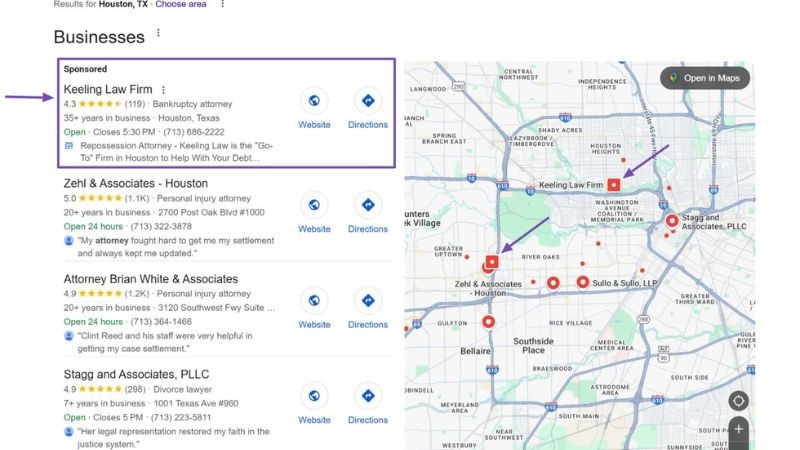
Getting into that map pack is local SEO. And for most law firms, it’s the single highest-ROI marketing activity available.
This is your complete playbook for local SEO in 2026 — what it is, how it works, and exactly what you need to do to rank in your city.
WHAT IS LOCAL SEO FOR LAWYERS?
Local SEO is the process of optimizing your law firm’s online presence specifically for location-based searches. When someone searches “personal injury lawyer Dallas” or “DUI attorney near me,” Google shows local results — a map, business listings, ratings, and nearby firms.
Local SEO ensures your firm appears prominently in those results.
It’s different from general SEO because Google weighs different factors for local searches:
- Proximity: How close is the firm to the searcher?
- Relevance: Does the firm’s profile and website clearly match the search query?
- Prominence: How well-known and reputable is the firm online?
All three factors are signals you can actively influence — and that’s what this guide covers.
WHY LOCAL SEO MATTERS MORE THAN EVER FOR LAW FIRMS
The numbers tell the story clearly:
- Over 76% of people who conduct a local search visit a business within 24 hours
- “Near me” legal searches have grown over 900% in the last decade
- The top 3 results in Google’s local map pack capture over 60% of all local search clicks
- Google’s AI Overviews now regularly pull local law firm information for location-based legal queries
For law firms that serve a specific geographic market — which is most firms — local SEO is not optional. It’s the core of your digital marketing strategy.
THE 7 PILLARS OF LOCAL SEO FOR LAW FIRMS
Pillar 1: Google Business Profile Optimization
Your Google Business Profile (GBP) is the single most important asset in your local SEO strategy. It’s what populates the map pack, Google Maps, and the knowledge panel that appears when someone searches your firm’s name.
Complete every section of your profile:
- Business name: Use your firm’s exact legal name. Don’t stuff keywords into the business name (e.g., “Smith Law Firm — Best Personal Injury Lawyer”) — Google may suspend your listing for this.
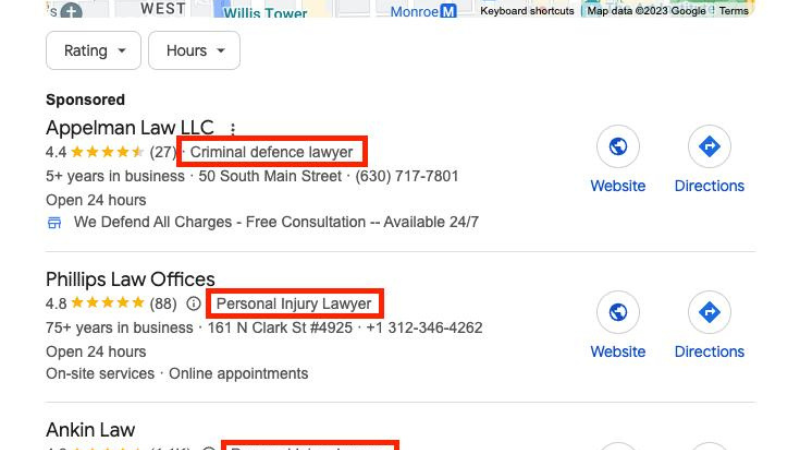
- Category: Choose the most specific primary category available (“Personal Injury Attorney” rather than just “Lawyer”). Add secondary categories for every practice area you serve.
- Address: Your physical office address. If you serve clients at their location, you can set a service area instead.
- Phone number: Use a local number, not a toll-free number — local numbers signal community presence.
- Website: Link to your main website or a location-specific landing page.
- Hours: Keep these accurate and up to date, including holiday hours.
- Service area: Add every city and county you serve.
- Services: List every practice area with a description.
- Attributes: Select all applicable attributes (women-led, wheelchair accessible, languages spoken, etc.)
Optimize the business description:
Write a 750-character description that naturally includes your primary practice area and city. Explain what makes your firm different and what types of clients you serve.
Add photos consistently:
Google Business Profiles with photos receive significantly more clicks. Add:
- Your firm’s exterior
- Interior office photos
- Team photos
- Logo
Aim to add new photos monthly. Google rewards active profiles.
Post regularly to GBP:
Google allows you to publish posts (updates, offers, events, Q&As) directly to your profile. Posting 1–2 times per week signals that your business is active and engaged.
Pillar 2: Local Citations and Directory Listings
A local citation is any online mention of your law firm’s name, address, and phone number (NAP). Consistent NAP information across the web signals to Google that your business is legitimate and established.
Priority legal directories to claim:
- Avvo (avvo.com)
- FindLaw (findlaw.com)
- Justia (justia.com)
- Martindale-Hubbell (martindale.com)
- Lawyers.com
- Super Lawyers (superlawyers.com)
- HG.org
- Nolo (nolo.com)
- LegalMatch
- The National Trial Lawyers
General directories also matter:
- Yelp
- Yellow Pages (yellowpages.com)
- Better Business Bureau
- Bing Places for Business
- Apple Maps
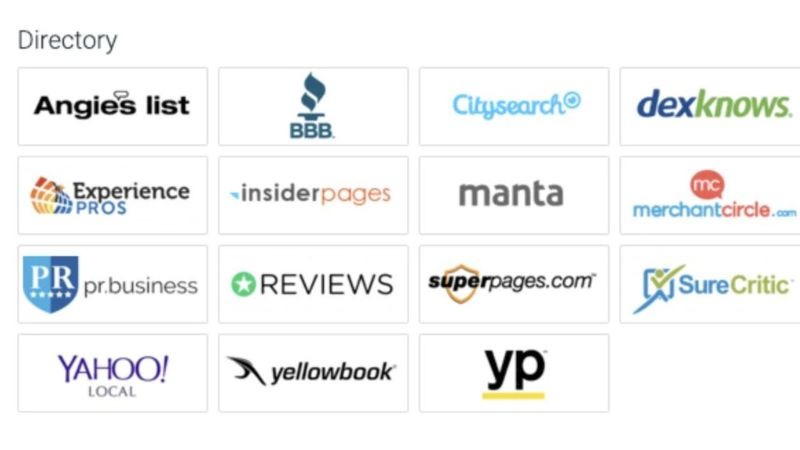
The golden rule is consistency.
Your firm’s name, address, and phone number must be identical everywhere. If your GBP says “Smith & Johnson Law Firm, LLC” but FindLaw says “Smith and Johnson Law,” that inconsistency hurts your local rankings. Conduct a citation audit and fix any discrepancies.
Pillar 3: Reviews and Reputation Management
Google uses reviews as a significant local ranking signal. More importantly, reviews are what potential clients read before deciding whether to call you.
Getting more reviews:
The most effective strategy is simple — ask every satisfied client for a review. Most people are happy to help if asked directly.
Build a system:
- Send a follow-up email after a case concludes with a direct link to your Google review page.
- Train your staff to mention reviews in closing conversations with clients
- Include a review request in your client satisfaction surveys.
- Add a QR code in your office that links to your review page.
How many reviews do you need?
There’s no magic number, but most competitive markets require at least 25–50 reviews to compete in the map pack, and 100+ to dominate. Aim to consistently add new reviews, not just reach a number and stop.
Responding to reviews:
Respond to every review — positive and negative. For positive reviews, a brief, personal thank you suffices. For negative reviews, respond professionally and constructively. Never argue with a reviewer publicly. Your response is seen by every potential client who reads that review.
Review ethics:
Never buy reviews, offer incentives for reviews, or ask staff to leave reviews. These practices violate Google’s policies and can result in your listing being suspended. State bar rules may also govern attorney testimonials and reviews — consult your state’s rules.

Pillar 4: Location-Specific Website Pages
Your website needs dedicated pages for every geographic market you serve. A single homepage targeting “lawyer in [city]” is not enough for competitive markets.
What to create:
- Primary city page: A comprehensive page targeting your main city (e.g., “/personal-injury-lawyer-dallas”)
- Neighborhood pages: If you serve a large metro, pages for specific neighborhoods or suburbs (e.g., “/car-accident-lawyer-plano-tx”)
- County pages: Many legal searches include county names
- Multi-office pages: If you have multiple locations, each location needs its own dedicated page.
What each location page needs:
- The target location + practice area in the H1, title tag, and URL
- At least 600–800 words of unique, location-specific content
- Mention of local landmarks, courts, and legal specific context (e.g., “We represent clients in Dallas County courts, including the 192nd Civil District Court”)
- An embedded Google Map showing your office location
- Local phone number and address in the content
- LocalBusiness schema markup
- Client testimonials from local clients (where permitted)
The keyword is *unique* — don’t copy the same content across multiple city pages with just the city name swapped out. Google detects and devalues duplicate content.
Pillar 5: On-Page Local SEO Signals
Your website itself sends local signals to Google through its content and technical structure.
Title tags and meta descriptions:
Every page should include your city/location in the title tag. For example: “Personal Injury Lawyer Dallas, TX | Smith Law Firm.”
NAP in the website footer:
Your firm’s name, address, and phone number should appear in the footer of every page — exactly as it appears in your Google Business Profile.
Schema markup:
A schema is code added to your website that helps Google understand your content. For local law firms, add:
- LocalBusiness schema (or more specifically, LegalService schema) on your homepage and location pages
- Attorney schema for individual attorney profile pages
- Review schema for testimonials
- FAQ schema for FAQ sections.
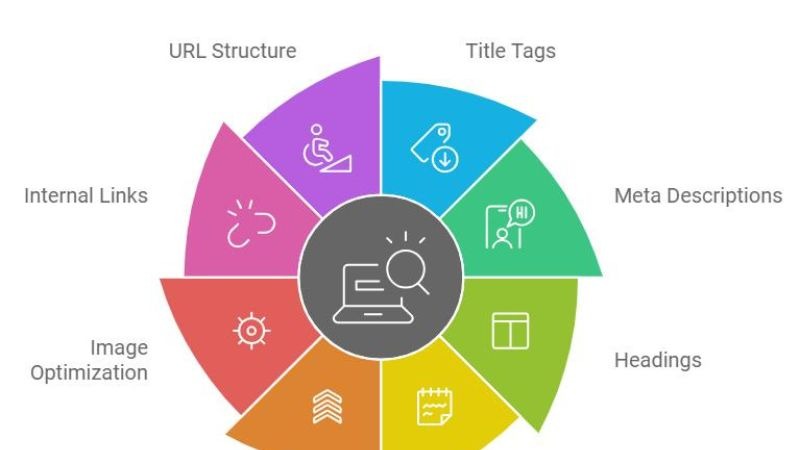
These markups can earn you rich results — enhanced search listings with star ratings, FAQs, and other features that increase click-through rates.
Embed a Google Map:
Embed a Google Map on your contact page showing your office location. This signals your location to Google and improves local relevance.
Pillar 6: Local Link Building
Links from local and legal websites boost your authority for local searches. Prioritize:
- State and local bar associations: Getting a listing on your state bar’s attorney directory and local bar’s website provides authoritative local links
- Local business directories: Chamber of commerce, local business associations, regional directories
- Local news and publications: Getting quoted in local news articles as a legal expert builds both authority and local relevance
- Sponsorships: Sponsoring local events, charities, or sports teams often comes with website links
- Legal aid organizations: Partnerships or volunteer work with local legal aid societies.

Pillar 7: Mobile Optimisation
The majority of local legal searches happen on smartphones. A law firm website that isn’t perfectly optimized for mobile is leaving significant business on the table.
Your mobile site should:
- Load in under 3 seconds on mobile connections
- Have click-to-call phone numbers (tap to call, not numbers you have to copy)
- Feature a prominent, easy-to-find contact form
- Have text large enough to read without zooming
- Do not use pop-ups that cover content on mobile screens
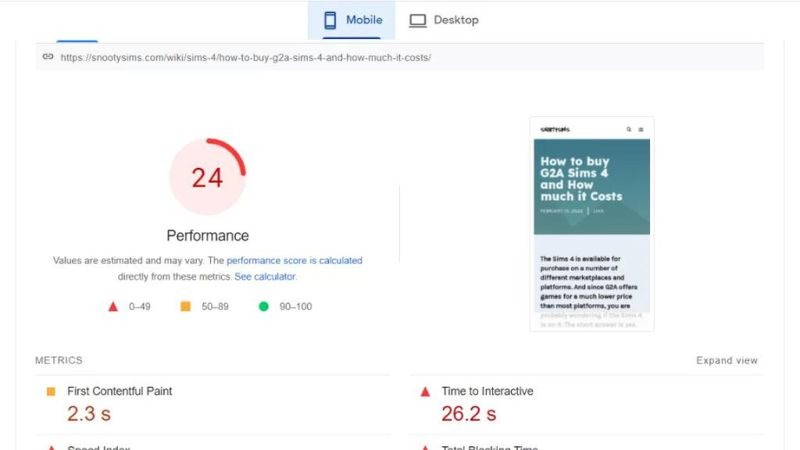
Google uses mobile-first indexing, meaning it primarily evaluates your site’s mobile version when ranking your site. Your mobile experience is not optional — it *is* your SEO experience.
LOCAL SEO FOR SPECIFIC PRACTICE AREAS

Personal Injury Lawyers
Personal injury has some of the highest local search competition of any practice area. Target hyper-specific searches: “car accident lawyer [city],” “slip and fall attorney [city],” “wrongful death lawyer [county].” Each case type can have its own dedicated page.
Criminal Defence Lawyers
Personal injury has some of the highest local search competition of any practice area. Target hyper-specific searches: “car accident lawyer [city],” “slip and fall attorney [city],” “wrongful death lawyer [county].” Each case type can have its own dedicated page.
Family Law Attorneys
Family law clients are often in distress. Searches include “divorce lawyer near me,” “child custody attorney [city],” “family law attorney [city].” Content should be empathetic and reassuring, and local landing pages should include information about local family courts.
Estate Planning Lawyers
Estate planning clients tend to be more deliberate in their search. They research before calling. Long-form content that answers questions about wills, trusts, and probate — optimised for local searches — performs well in this practice area.
TRACKING LOCAL SEO PROGRESS
Set up these tools and check them regularly:
- Google Search Console: Monitor which local search queries are bringing people to your site
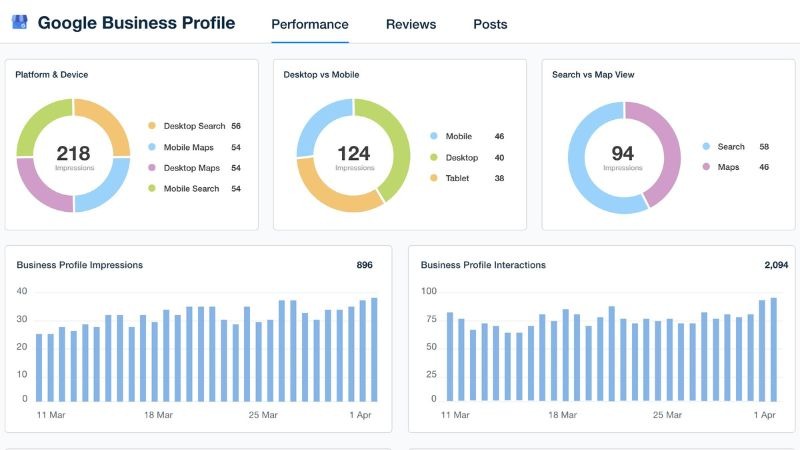
- Google Business Profile Insights: Track profile views, calls, direction requests, and website clicks from your GBP
- Google Analytics (GA4): Monitor organic traffic from local searches
- Rank tracking tool: Track your rankings for key local searches (Semrush or Ahrefs work well for this)
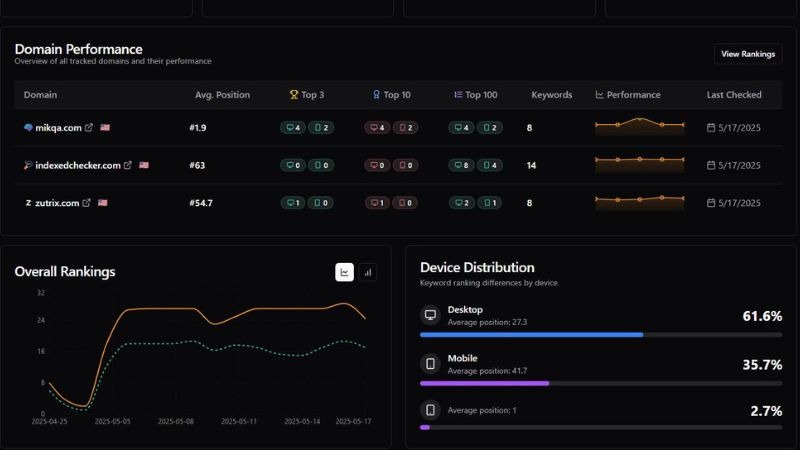
Review your rankings and GBP metrics monthly. Local rankings can fluctuate — especially the map pack — so regular monitoring lets you catch and address drops quickly.
HOW LONG DOES LOCAL SEO TAKE?
Local SEO typically produces results faster than organic SEO for competitive terms, because there are more actionable signals you can improve quickly (GBP optimisation, citations, reviews).
General timeline:
- Month 1: GBP optimisation and citation cleanup show improvement in map pack visibility
- Months 2–3: Reviews and new local content begin improving rankings
- Months 4–6: Consistent map pack appearance for primary keywords
- Months 6–12: Top-3 map pack positions for competitive local terms
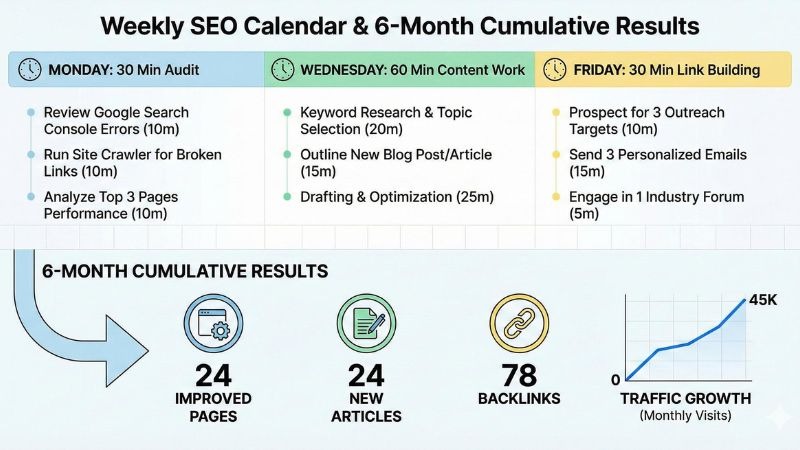
GET A LOCAL SEO ASSESSMENT FOR YOUR FIRM
Local SEO is the fastest path to more leads for most law firms.
Request a free local SEO assessment from LawGetSEO.
LawGetSEO works exclusively with law firms and offers full market exclusivity — we never work with your competitors. See how we work.